
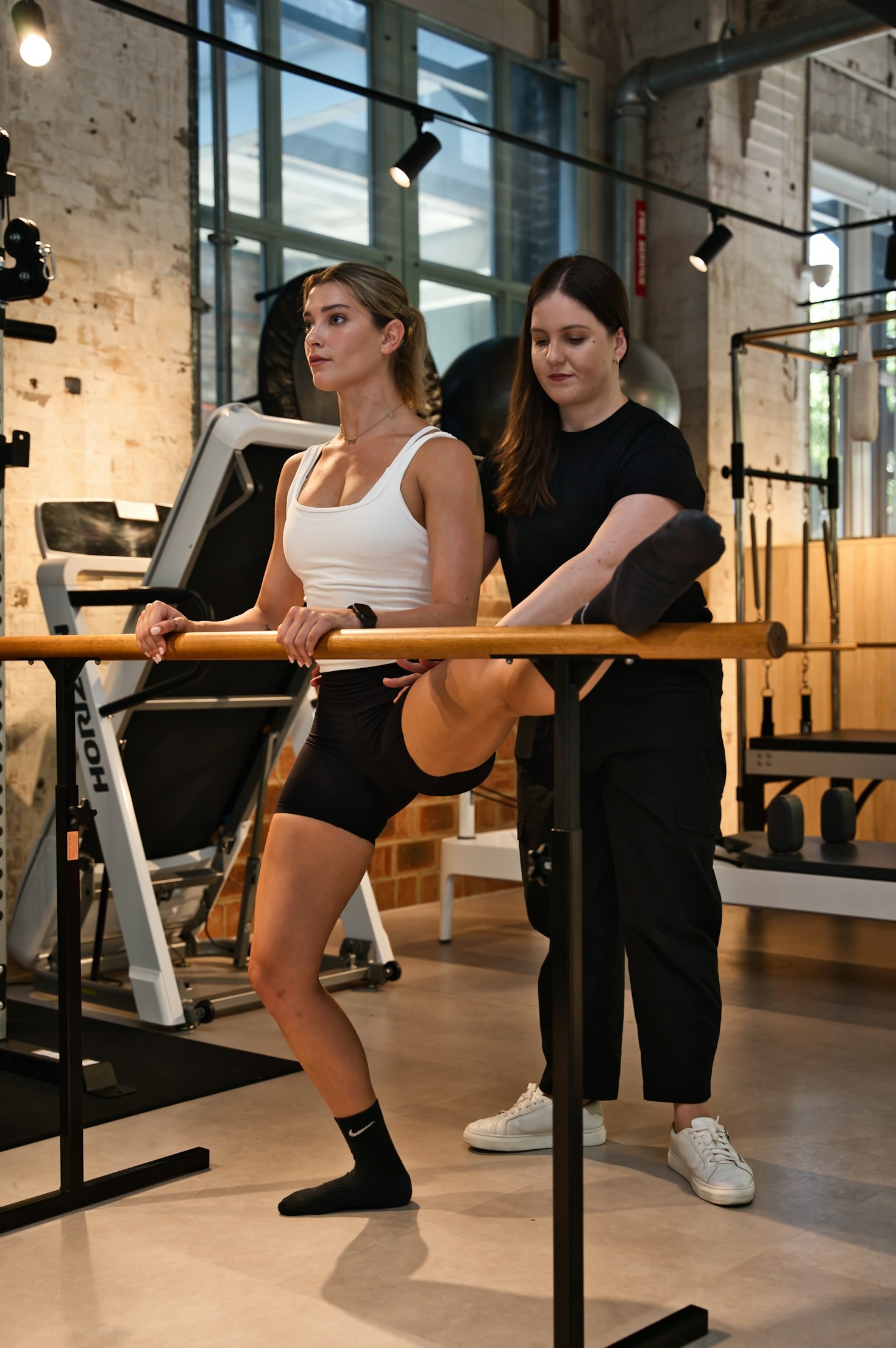
Unveiling the Mystery of Runner’s Knee
Runner’s knee is a common yet often misunderstood overuse injury that plagues many active individuals, especially in the active lifestyle found in Barnstaple, Devon. It typically emerges from a combination of repetitive motion and imbalances in the muscles and tendons around the knee, causing discomfort and instability while running or engaging in other high-impact activities. This condition can occur when there is a slight misalignment in your leg mechanics, leading to extra stress on the patellofemoral joint and its tendon structure.
In this section, we’ll explore the underlying causes of runner’s knee, including factors such as improper footwear, inadequate warm-ups, and biomechanical issues that may be exacerbated by uneven surfaces in urban areas or rural settings like Barnstaple or Bideford in Devon. You will learn about:
Common risk factors contributing to the pain
The role of muscle imbalances and overuse
How everyday habits can inadvertently increase stress on the knees
With this introduction, expect a deep dive into practical, step-by-step guidance on managing and overcoming runner’s knee. Whether you’re a seasoned runner or just starting out, understanding these insights will empower you to make informed decisions about your training regimen and recovery approach.
Unraveling the Hidden Triggers of Knee Discomfort
Runner’s knee often stems from a combination of overuse and biomechanical imbalances that place stress on the patellofemoral joint (anterior knee). For many active individuals, persistent discomfort is not only a result of intense training sessions but also the culmination of several underlying issues that silently contribute to the pain. Factors such as muscle weakness, improper alignment, and repetitive strain can gradually lead to inflammation and knee pain. This is especially true for runners in areas like Barnstaple, Bideford and North Devon where uneven surfaces and variable training conditions add extra layers of complexity.
Key risk factors include:
Overuse: Excessive running or rapid increases in mileage without proper rest.
Muscle Imbalances: Weak or tight quadriceps, hamstrings, and hip muscles that disrupt knee stability.
Improper Footwear: Shoes that fail to provide adequate support and cushioning.
Training Errors: Sudden changes in training intensity or technique.
By understanding these risk elements, runners can adjust routines, integrate strengthening exercises, and opt for proper footwear. Adopting these strategies may reduce knee pain and improve overall musculoskeletal health, allowing for a more sustainable running routine and long-term joint durability.
Step-by-Step Guide to Alleviate Runner’s Knee Pain
Dealing with persistent knee discomfort requires a structured approach that not only targets pain relief but also supports long-term recovery. This guide outlines clear steps to help runners manage their knee pain effectively.
- Assess and Modify Your Activity Start with a critical evaluation of your running routine. Reduce mileage or intensity to prevent further stress on your knee. If you’re in a region like Barnstaple, consider switching to softer surfaces available locally.
- Implement Targeted Strengthening Exercises Incorporate exercises that strengthen surrounding muscle groups. Focus on quadriceps and hip stability with routines such as leg raises, squats, and low-impact stretches. Consistent strengthening improves joint stability and reduces pain.
- Apply Restorative Techniques Use modalities like icing and gentle massage to soothe inflammation. Best practice involves applying ice packs for 15 to 20 minutes and scheduling regular physiotherapy sessions if needed.
- Gradually Return to Full Activity Slowly reintegrate running and monitor your progress. Adjust your routine based on pain levels, and maintain proper warm-up and cool-down periods.
Following these steps fosters better musculoskeletal health and reduces the risk of recurring runner’s knee pain.
Essential Strategies to Prevent Runner’s Knee Pain
- Warm-Up Routines: Begin every run with dynamic stretches and gentle jogging to increase blood flow and prepare your muscles and joints for activity. A proper warm-up can play a vital role in reducing stress on your knees.
- Strengthening Exercises: Incorporate targeted leg-strengthening workouts such as squats and lunges to build robust muscles around the knee, offering added support and improved joint stability.
- Flexibility Training: Regular flexibility sessions can relieve tension in the quadriceps, hamstrings, and calves, helping to maintain a proper range of motion and alleviate pressure on the knee.
- Footwear Review: Choose supportive running shoes that provide ample cushioning and arch support. Check your shoes regularly for wear and replace them to avoid improper foot mechanics
- Gradual Distance Increases: Incrementally increase running distances to prevent overloading the knee, allowing your body time to adapt to the new demands.
- Rest and Recovery: Balance your training with sufficient rest days and consider cross-training to minimise repetitive strain.
- Localized Tips: Runners in Barnstaple can take advantage of community running groups for shared advice and support in maintaining knee health.
Shockwave Therapy to help with healing.
As shared by the renowned British Journal of Sports Medicine (BJSM) the use of Shockwave Therapy to help speed up the natural healing process can be a powerful tool in Physiotherapy. Shockwave Therapy is non-invasive, non-damaging and very effective and easing pain, improving healing and recovery times for bone, tendon, muscle and even nerve injuries and conditions.


Leave a Reply